
In times of medical emergencies, quick and efficient transport is crucial. That’s where private aircraft for medical evacuation in Geneva, Switzerland come into play. These specialized aircraft are equipped to handle medical emergencies while providing comfort and ease to the patients. Whether it’s a critical condition that requires immediate attention or a non-urgent medical transfer, private aircraft offer a reliable and efficient solution. In this blog, we will explore the benefits and features of private aircraft for medical evacuation in Geneva, Switzerland, providing you with the necessary information to make an informed decision about your travel needs.
Medical Evacuation by Private Aircraft
When it comes to medical emergencies, time is of the essence. The ability to swiftly transport individuals to the appropriate medical facilities can make all the difference in saving lives. This is where medical evacuation by private aircraft becomes crucial. In the beautiful city of Geneva, Switzerland, private aircraft are often utilized for medical evacuations due to their numerous benefits and capabilities.
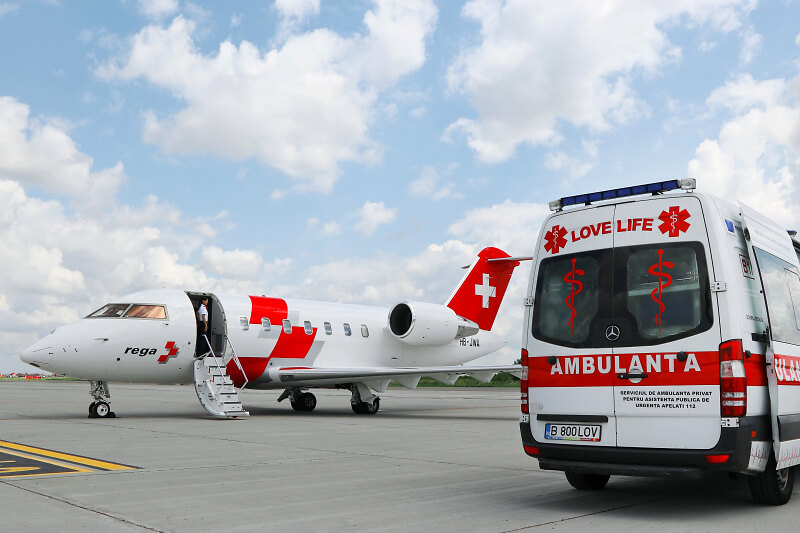
This image is property of www.glm-international.com.
Importance of Medical Evacuation
Medical evacuation plays a vital role in ensuring that individuals in need of urgent medical attention can be swiftly transported to the appropriate healthcare facilities. In critical situations, every minute counts, and the ability to quickly access specialized medical care can significantly improve the chances of survival and recovery. This is especially true in remote areas or locations with limited medical resources. Medical evacuation by private aircraft provides a lifeline for individuals in need, bridging the gap between emergency situations and the necessary medical assistance.
Benefits of Using Private Aircraft for Medical Evacuation
Private aircraft offer a range of benefits that make them ideal for medical evacuations. These benefits include:
Speed and Time Efficiency
Private aircraft are known for their speed and efficiency, allowing for rapid transportation of patients from one location to another. Time is a critical factor in medical emergencies, and private aircraft can significantly reduce the time it takes to reach appropriate medical facilities. By bypassing congested airports and utilizing dedicated medical evacuation airfields, valuable time is saved in the transportation process.
Flexibility and Accessibility
Private aircraft provide a level of flexibility and accessibility that is unparalleled in conventional commercial aviation. With private aircraft, medical evacuation flights can be tailored to the specific needs and requirements of each patient. They have the ability to take off and land at smaller airports or even remote areas, ensuring that individuals can be reached and transported efficiently, regardless of their location.
Advanced Medical Equipment and Expertise
Private aircraft used for medical evacuations are equipped with advanced medical equipment and staffed by highly trained medical professionals. These aircraft are essentially airborne hospitals, capable of providing specialized care while in transit. From basic life support to more complex medical procedures, private aircraft are equipped to handle a wide range of medical emergencies.
Comfort and Privacy
In times of medical emergencies, comfort and privacy are often overlooked but are essential for the well-being and dignity of patients. Private aircraft offer a comfortable and private environment, allowing patients and their loved ones to experience a more relaxed and stress-free journey. This level of comfort and privacy is especially significant for individuals in critical conditions or those requiring specialized medical attention.

This image is property of flight-way.com.
Private Aircraft Capabilities for Medical Evacuation
Private aircraft used for medical evacuations come in various types and sizes, each with its own unique capabilities. The three primary types of private aircraft suitable for medical evacuations are air ambulance aircraft, medical jets, and helicopters.
Air Ambulance Aircraft
Air ambulance aircraft are specifically designed and equipped for medical evacuations. These aircraft feature pressurized cabins, allowing for stable and controlled flying conditions even at high altitudes. Air ambulance aircraft also have the capacity to accommodate medical staff, advanced medical equipment, and patients requiring intensive care. With long-range capabilities, these aircraft can transport patients over vast distances, ensuring that individuals can receive the necessary medical attention.
Medical Jets
Medical jets offer unparalleled speed and efficiency in airborne transportation. These aircraft are equipped with specialized medical crews and advanced medical equipment, allowing for rapid transportation of patients to the required medical facilities. Medical jets are particularly useful for long-distance medical evacuations or when time is of the essence. With their ability to fly at high speeds and altitudes, medical jets can quickly transport patients to critical care centers, ensuring the best possible outcome.
Helicopters
Helicopters play a crucial role in medical evacuations, especially in areas with limited accessibility or challenging terrains. Their ability to land in remote areas or on small helipads makes them invaluable in reaching individuals in need of urgent medical attention. Helicopters have a quick response time, allowing for immediate medical assistance during emergencies. With their versatility, helicopters can navigate difficult terrains, such as mountains or densely populated areas, ensuring that patients can be safely transported to appropriate medical facilities.
Features of Air Ambulance Aircraft
Air ambulance aircraft are specifically designed and equipped to cater to the needs of medical evacuations. Some of the key features of air ambulance aircraft include:
Pressurized Cabin
Air ambulance aircraft have pressurized cabins, allowing for a controlled and stable environment during the flight. This ensures the well-being and comfort of the patients and medical staff on board. The pressurized cabin also enables the aircraft to fly at higher altitudes, maximizing efficiency and reducing travel time.
Medical Staff and Equipment
Air ambulance aircraft are equipped with a dedicated medical crew consisting of doctors, nurses, and paramedics. These highly trained professionals are experienced in emergency medical care and capable of providing specialized treatment while in flight. The aircraft also house advanced medical equipment, such as cardiac monitors, ventilators, and intensive care units, ensuring that patients receive the necessary medical attention.
Long-Range Capability
Air ambulance aircraft are designed with long-range capabilities, enabling them to transport patients over vast distances. This is particularly beneficial in situations where patients need to be transported from remote locations to specialized medical facilities. The long-range capability of air ambulance aircraft ensures that patients can receive the required medical attention without the limitations of geographical boundaries.
This image is property of aeroaffaires.fr.
Advantages of Medical Jets
Medical jets offer unique advantages that make them highly suitable for medical evacuations. These advantages include:
Faster Airborne Transportation
Medical jets are known for their speed, allowing for significantly faster airborne transportation compared to other aircraft. The ability to travel at high speeds enables medical jets to quickly reach distant medical facilities, reducing travel time and maximizing the chances of timely medical intervention. This speed advantage can be crucial in emergency situations where every second counts.
Specialized Medical Crew
Medical jets are staffed with highly skilled medical professionals who specialize in providing care during airborne transportation. These specialized medical crews are trained to handle a wide range of medical emergencies, ensuring that patients receive the highest level of care while in transit. The expertise of the medical crew, combined with the speed of medical jets, creates a powerful combination in critical medical evacuations.
Enhanced Medical Equipment
Medical jets are equipped with state-of-the-art medical equipment that can provide advanced life support during the transportation process. From advanced cardiac monitors to specialized airway management systems, medical jets carry a wide range of medical equipment necessary for critical care. This advanced equipment ensures that patients can be stabilized and supported during the flight, maximizing their chances of a successful recovery.
Advanced Life Support Systems
Medical jets are equipped with advanced life support systems, including onboard medical oxygen and life-saving medications. These systems are crucial for patients with severe medical conditions or those requiring continuous medical intervention during the evacuation. The presence of advanced life support systems on medical jets provides an added layer of safety and reassurance for patients and their loved ones.
Benefits of Helicopters for Medical Evacuation
Helicopters offer unique benefits for medical evacuations, particularly in situations where accessibility and response time are crucial. Some of the key benefits of helicopters include:
Ability to Land in Remote Areas
One of the significant advantages of helicopters is their ability to land in remote areas or on small helipads. This makes them ideal for medical evacuations in areas where conventional aircraft cannot access. Helicopters can swiftly reach individuals in need of urgent medical attention, even in the most challenging of terrains. This ability to land in remote areas ensures that no patient is left behind, regardless of their location.
Quick Response Time
Helicopters have an exceptionally quick response time, making them ideal for time-critical medical evacuations. When every second counts, helicopters can be deployed rapidly to provide immediate medical assistance. This quick response time can be particularly crucial in situations such as trauma cases or when patients require urgent specialized care. The ability of helicopters to reach the scene promptly can be the difference between life and death.
Versatile in Challenging Terrain
Helicopters are highly versatile and can navigate through challenging terrains that would otherwise prove difficult for other aircraft. Mountainous regions, densely populated areas, or disaster-stricken locations can all present challenges for conventional aircraft, but helicopters can overcome these obstacles. The versatility of helicopters ensures that patients in difficult-to-reach locations can be safely transported to appropriate medical facilities.

This image is property of flight-way.com.
Procedure for Medical Evacuation in Geneva
Medical evacuations in Geneva, Switzerland, follow a comprehensive procedure to ensure the seamless and efficient transportation of patients. The typical procedure for medical evacuation in Geneva includes the following steps:
Assessment and Consultation
The first step in a medical evacuation is the assessment and consultation with medical professionals. Medical staff assess the patient’s condition and determine the appropriate course of action. They consider factors such as the urgency of the situation, the required medical resources, and the most suitable mode of transportation. In this stage, crucial decisions are made to ensure the safe and timely evacuation of the patient.
Flight Planning and Coordination
Once the assessment and consultation are complete, flight planning and coordination take place. This involves determining the most suitable aircraft, arranging the necessary medical crew, and coordinating with ground and air personnel involved in the evacuation process. Flight planning and coordination are essential to ensure a smooth and efficient evacuation, taking into account factors such as weather conditions, airspace restrictions, and the availability of suitable medical facilities at the destination.
Ground Ambulance Transport
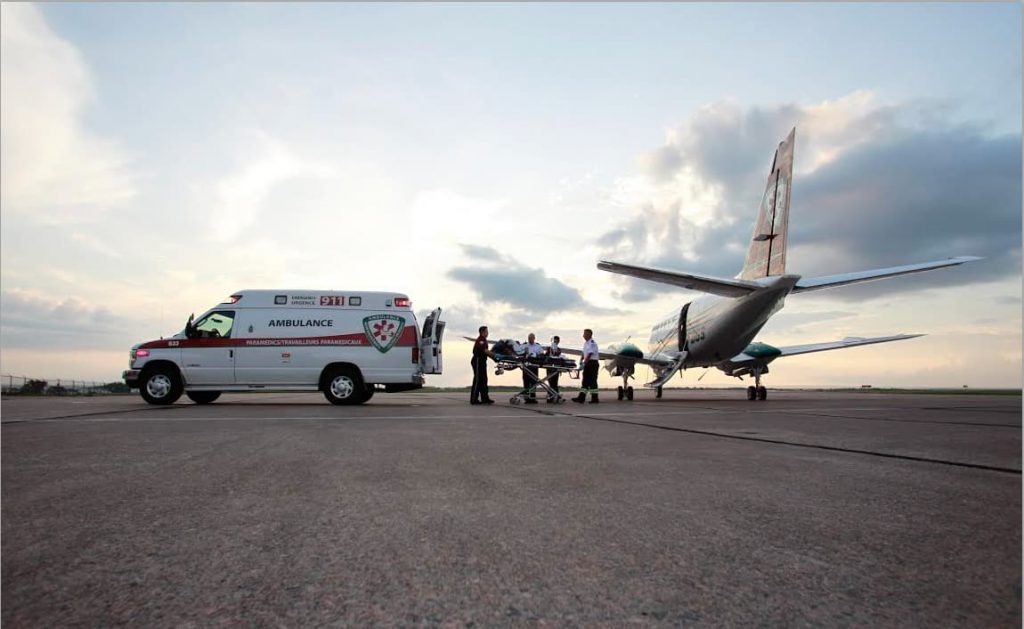
In many cases, medical evacuations involve ground ambulance transport to transfer patients from the location of the incident to the designated airport or helipad. Ground ambulance transport ensures that patients receive appropriate medical care during the initial stages of transportation and can be safely transferred to the awaiting aircraft or helicopter. This stage of the procedure ensures continuity of care and minimizes any potential risks to the patient’s well-being.
Preparation for Air Transfer
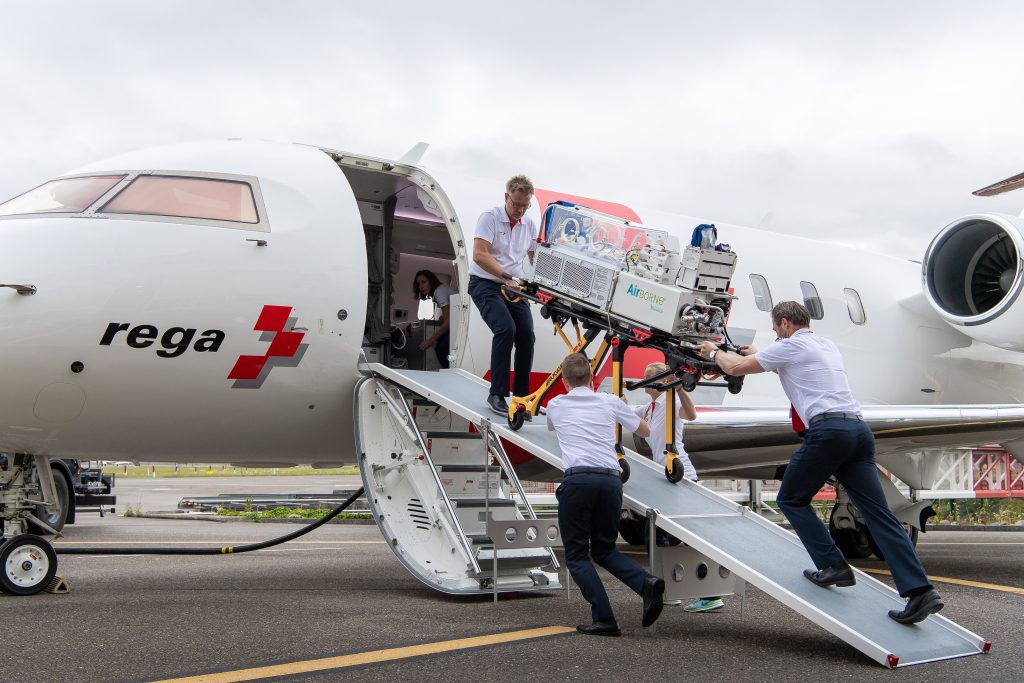
Once the patient reaches the designated airport or helipad, preparations for air transfer take place. This involves ensuring that the aircraft or helicopter is ready for the evacuation, with all necessary medical equipment in place and properly functioning. The medical crew prepares the patient for the flight, securing them in a safe and comfortable position to ensure stability and minimize any discomfort or pain during the journey.
In-Flight Medical Care
During the flight, the medical crew provides continuous medical care to the patient, closely monitoring their condition and ensuring their well-being. Advanced medical equipment and life-support systems are readily available on board to cater to any unforeseen medical emergencies that may arise during the flight. The medical crew’s expertise and preparedness play a crucial role in providing the highest level of care to the patient while in transit.
Destination Medical Assistance
Upon arrival at the destination, the patient is promptly transferred to the appropriate medical facilities, where further medical assistance and treatment are provided. The medical crew ensures a smooth handover to the receiving medical staff, keeping them informed of the patient’s condition and any necessary medical interventions performed during the flight. This coordination between the medical crew and destination medical facilities ensures continuity of care and a seamless transition for the patient.
Medical Evacuation Considerations
Before opting for a medical evacuation by private aircraft, several considerations must be taken into account. These considerations include:
Emergency Medical Insurance Coverage
It is crucial to have emergency medical insurance coverage that includes medical evacuation by private aircraft. Not all insurance policies cover the cost of medical evacuations, so it is essential to review the terms and conditions of the policy to ensure that adequate coverage is in place. This coverage provides peace of mind, knowing that in the event of a medical emergency, the financial burden of a medical evacuation will be minimized.
Medical Staff and Equipment Certification
When choosing a private aircraft for medical evacuation, it is essential to ensure that the medical staff on board are certified and possess the necessary qualifications and experience in emergency medical care. Similarly, the aircraft should be equipped with certified medical equipment that meets the appropriate medical standards. Certification guarantees that the medical personnel and equipment are capable of providing the required level of care during the evacuation.
Legal and Regulatory Compliance
Private aircraft used for medical evacuations must adhere to legal and regulatory requirements set forth by the relevant authorities. This includes compliance with aviation safety regulations, medical equipment certification, and licensing of medical personnel. Ensuring legal and regulatory compliance is crucial to ensure the safety and well-being of patients during the evacuation process.
Air Ambulance Providers in Geneva
When considering a medical evacuation by private aircraft in Geneva, it is important to choose a reputable air ambulance provider with a proven track record in medical evacuations. Researching and selecting a reliable provider ensures that the highest standards of medical care and safety are maintained throughout the evacuation process. It is advisable to review customer testimonials and seek recommendations from trusted sources to make an informed decision.
This image is property of www.swiss-air-ambulance.ch.
Cost and Affordability of Private Aircraft Medical Evacuation
The cost of medical evacuations by private aircraft can vary depending on several factors. These factors include the distance to be covered, the type of aircraft used, the complexity of the medical condition, and the level of care required during the evacuation. Factors that affect the cost of private aircraft medical evacuation include:
Factors Affecting the Cost
- Distance: The distance to be covered plays a significant role in determining the overall cost of the evacuation. Longer distances typically result in higher costs due to increased fuel consumption and flight time.
- Aircraft Type: The type of aircraft used for the medical evacuation also affects the cost. Larger and more specialized aircraft tend to have higher operating costs, which can impact the overall cost of the evacuation.
- Medical Staff and Equipment: The presence of medical staff and specialized medical equipment on board the aircraft adds to the overall cost of the evacuation. Highly skilled medical professionals and advanced medical equipment are necessary for providing the required level of care during the evacuation.
Evaluating the Value and Benefits
When considering the cost of private aircraft medical evacuation, it is essential to evaluate the value and benefits provided by such a service. Private aircraft medical evacuations offer numerous advantages, including swift transportation, specialized medical care, and enhanced comfort and privacy. These benefits can significantly impact the well-being and outcome of the patient, making the investment worthwhile.
Insurance Coverage for Medical Evacuation
To mitigate the financial burden of private aircraft medical evacuations, it is crucial to have appropriate insurance coverage. Emergency medical insurance policies often include coverage for medical evacuations, including those by private aircraft. Reviewing insurance coverage and understanding the terms and conditions pertaining to medical evacuation is essential in ensuring financial peace of mind during a medical emergency.
Conclusion
Medical evacuation by private aircraft in Geneva, Switzerland, is of paramount importance in ensuring the swift and efficient transportation of individuals in need of urgent medical attention. The benefits and capabilities of private aircraft, such as speed, flexibility, advanced medical equipment, and comfort, make them invaluable in critical medical situations. Whether utilizing air ambulance aircraft, medical jets, or helicopters, each type of private aircraft offers unique advantages that cater to different scenarios and requirements.
The procedure for medical evacuation in Geneva follows a comprehensive process, involving assessment, coordination, and in-flight medical care. Considerations such as insurance coverage, medical staff and equipment certification, legal compliance, and the selection of reputable air ambulance providers are vital in ensuring the safety and well-being of patients during the evacuation process.
While the cost of private aircraft medical evacuation may vary, the value and benefits provided by such a service are invaluable. Swift transportation, specialized medical care, and enhanced comfort and privacy are just some of the advantages that private aircraft medical evacuations offer.
When faced with the need for medical evacuation, it is crucial to make informed decisions and prioritize the well-being of patients. Private aircraft medical evacuations provide peace of mind in emergency situations, ensuring that individuals receive the necessary medical attention in a timely and efficient manner.


